Agentic enterprise software Perspective
An Overview of Low code No code market [2023-2030]
An Overview of Low code No code market [2023-2030] Introduction The low code no code development market is rapidly growing, and it is expected to continue low-code.
![An Overview of Low code No code market [2023-2030]](/blog/an-overview-of-low-code-no-code-market-2023-2030-2/hero.png)
In this article 0 sections
Introduction
The low code no code development market is rapidly growing, and it is expected to continue to grow in the years to come. This is due to a number of factors, including the increasing demand for digital transformation, the need for rapid application development, and the desire for greater business agility.
The worldwide market for low-code development technologies is projected to total $26.9 billion in 2023, an increase of 19.6% from 2022, according to the latest forecast from Gartner. A rise in business technologists and a growing number of enterprise-wide hyper-automation and composable business initiatives will be the key drivers accelerating the adoption of low-code no-code technologies through 2026.
Why the sudden low code no code market growth?
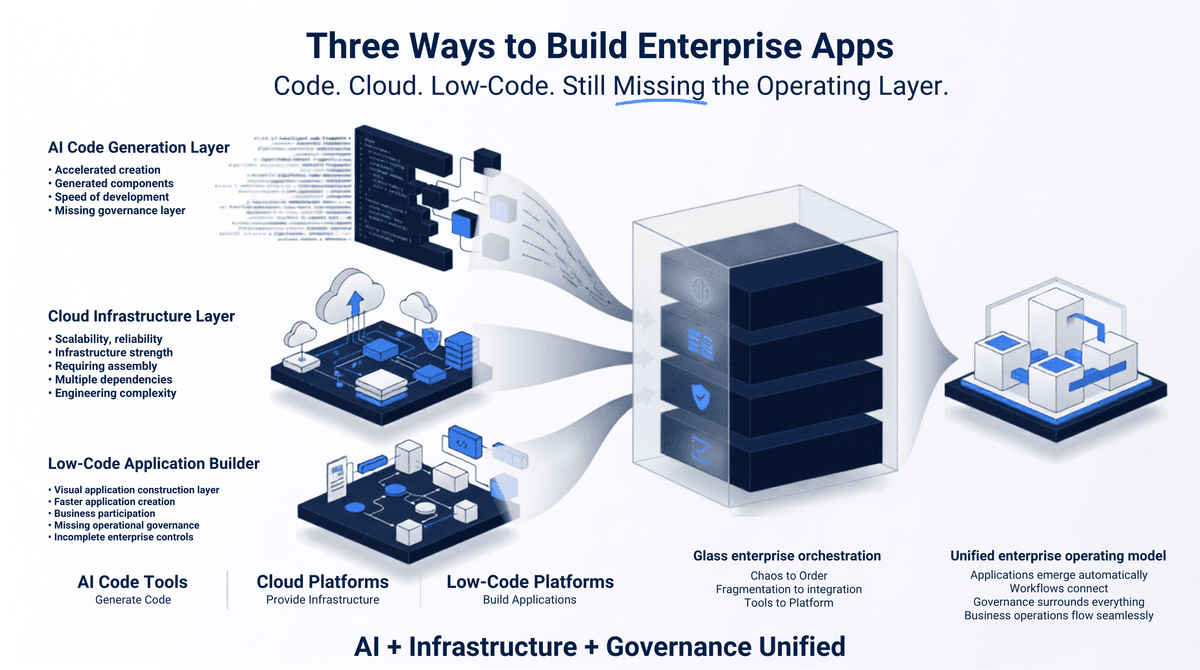
Low-Code No-Code development is a software development methodology that uses graphical user interfaces (GUIs) and other visual tools to create applications and enable business users and professional developers to create applications. This approach to development reduces the amount of coding required, making it easier and faster for businesses to build the applications they need.
So, it’s not a surprise that in a time when customer expectations are constantly changing, companies are looking for tools that can support hybrid work, and competition is becoming fiercer than ever, low-code No-Code development is on the rise.
With this guide, we aim to answer some pressing questions about development and how it impacts businesses. Here are some key areas we’ll explore:
- How does low-code versus no-code platform selection impact your development timeline?
- What makes modern low-code development different from traditional coding approaches?
- Why are enterprises increasingly adopting low-code app development for digital transformation?
- How can you determine which low-code development platform best suits your business needs?
- What key factors should you consider when comparing low-code versus no-code solutions?
- What role does low-code development play in enterprise-wide automation initiatives?
Why is low-code development growing in popularity?
There are several reasons why Low-Code No-Code development is growing in popularity.
These include:
- The increasing demand for digital transformation: Businesses are increasingly looking to digitalise their operations in order to stay competitive. Low-code development can help businesses quickly and easily build the applications they need to support their digital transformation initiatives.
- The need for hyper-automation: The orchestration of multiple advanced technologies that promote end-to-end business process automation is called hyper-automation. Businesses need to be able to develop applications quickly in order to keep up with the pace of change. Together with robotic process automation tools, artificial intelligence, and machine learning, low-code application development has emerged as a key tech solution for supporting successful hyper-automation initiatives.
- The desire for greater business agility: Businesses need to be able to adapt quickly to changes in the market. Low-code No-Code development can help businesses do this by making it easier to build and deploy new applications.
- IT democratisation: On average, 41% of employees in an organisation are “business technologists,” that is, collaborators outside IT departments who create technology or analytics capabilities for their own use. Because most of them don’t come from a traditional development background, they primarily rely on low-code and no-code app development tools to create the solutions they need.
The low-code global market is expected to be around $65 billion by 2027 and $187 billion by 2030. That’s a CAGR of 31.1 per cent between 2020-2030.
Low-code application platforms (LCAPs) are projected to be the largest component of the low-code development technology market, growing 25% to reach nearly $10 billion in 2023 (See the below table).
Just like any other technology, not all low-code platforms are created equal, and as such, not all are suitable for the same use cases.
The space consists of various solutions. Each is designed for different levels of complexity and user needs.
If you’re currently evaluating low-code platforms for a certain project, three criteria can help you understand the low-code market:
- Who is the targeted user of the platform?
- What functions and features does the platform include?
- What use cases does the platform address?
With that in mind, the low-code market can be grouped into three main categories:
- Regular low-code
- Enterprise level low-code
- High-performance low-code
Low-code no code groups and categories
Also read: High-code v/s Low-code v/s No-code: Unpacked and explainedThis categorization doesn’t mean that one type of low-code platform is better than another; it always depends on your needs.
If you just want to empower your line of business to build simple apps, a regular Low-Code category is enough. But if you’re looking for a technology that supports your digital transformation initiatives, you should look for high-performance low-code.
Also read: Are You the Boiling Frog? (And How Low-Code Helps You Adapt Before It’s Too Late)
The low-code development market is expected to continue to grow in the years to come. This is due to the increasing demand for digital transformation, the need for rapid application development, and the desire for greater business agility.
As the market grows, we can expect to see new low-code platforms emerge that address the challenges of low-code development, such as the lack of skilled resources and the complexity of some platforms. We can also expect to see more businesses adopt low-code development as they realize the benefits it can offer.
In conclusion, the low code no code trend is rapidly gaining momentum, driven by the increasing demand for digital solutions and the cost savings offered by low code no code solutions. With the predictions that no-code will be a crucial part of the business operations in the next five years, and at least 65% of all application development activity by 2025. It’s worth considering how your business can leverage no-code technology to stay ahead of the curve.
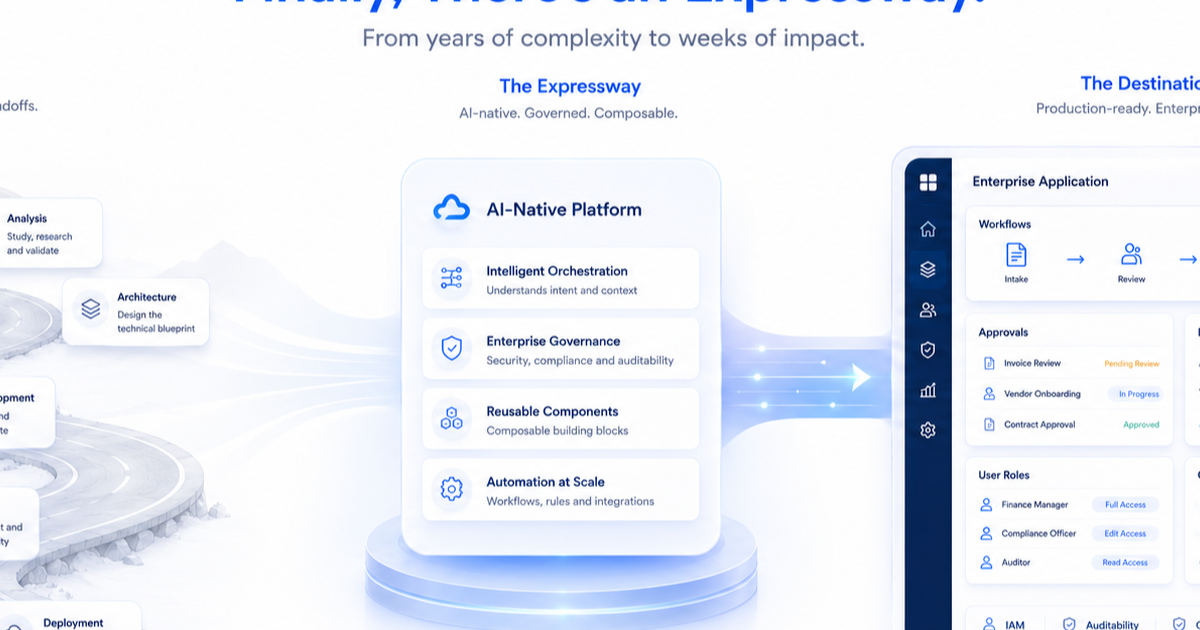
We at Amoga are building a low code no code platform that empowers businesses to build enterprise-grade applications 10x faster and at 25% lower cost than traditional software. Organizations can break free from complex software limitations with features such as Pre-built App templates, App Studio, visual UI builders, Form Builders, and Customized Workflow. Book your demo today and start building apps with Amoga.
Ask us for a no-obligation conversation.
Content Source – LinkedIn
Low-code and no-code market size data from Gartner and Forrester suggest that the market could reach $50 billion by 2028. The pace at which the low-code and no-code industry is expanding is accelerating, and it is estimated that by 2030, 75% of enterprise applications used in Fortune 500 companies will be built on low-code and no-code platforms.
Historically, when a software development solution makes development more accessible and easier, adoption rates are very high. No-code ticks all of these boxes. Startups as well as large enterprises can benefit from no-code. The limitation of no-code is that you may need some custom code to build advanced features, but for that, you can use low-code development platforms.
The market size for low-code automation solutions is expected to be around $99 billion by 2030. The key industries adopting low-code automation are finance and healthcare. AI and automation are expected to continue to be key trends in the evolution of low-code.