Applications & operations Perspective
Fix Your Broken Sales Processes with a Low-Code CRM
If theres anyone who knows a thing or two about process design, its Jack Welch. He was the former CEO of General Electric. More importantly, he was low-code crm.

In this article 0 sections
If there’s anyone who knows a thing or two about process design, it’s Jack Welch. He was the former CEO of General Electric. More importantly, he was a pioneer of process design. He famously said, “An organization’s ability to learn, and translate that learning into action rapidly, is the ultimate competitive advantage.” We’d like to take it a step further…
Organizations also need to put those actions into processes-and then stick to them. Why? Because when processes reflect meaningful work, and when everyone follows process, it implies that all work is meaningful work. This means that every effort moves the needle toward your goals. Nothing goes to waste. This is crucial for sales teams to enjoy their work and to achieve their goals by design, not by luck.
In competitive sales, deals are won and lost on the finest of margins. A CRM software is the key to making this happen. It’s your process playbook, your memory bank, your guide to consistent, high-performance sales. But here’s a paradox: Almost every organization with a sales force of any size uses a CRM software for sales.
Yet 90% of these organizations experience high levels of stress and unhappiness in their sales departments. Turnover is through the roof – from field sales reps to territory managers to back-office staff. How can this be? Let’s understand.
What This Guide Covers
With this guide, we hope to answer some difficult questions about and process adherence in sales, such as:
By the end of this guide, you’ll have a clear understanding of how a can be designed to work sales teams rather than against them.
Why Do Sales Teams Struggle with Following Processes?
The answer is simple: over time, traditional CRM software stop being helpful and become roadblocks for the users meant to benefit from them. They burden sales teams with endless data entry. They make them jump through process hoops that don’t reflect the realities of their work. That’s why many salespersons say they can’t see the connection between the digital workflow in their CRM and their real-world tasks.
Why does this happen?
The real-world sales process is ever-changing, but most CRM software solutions are frozen in time. They’re costly and slow to adapt.They’re costly and slow to adapt. So, there never is enough budget and patience to shape a vanilla CRM into a sales CRM software that faithfully reflects the true nature of the work.
Naturally, sales teams start to bypass them. As a result, the gap between ‘what they’re supposed to do’ and ‘what they actually do’ widens. This breaks down processes. Eventually, process compliance becomes such a neglected aspect that managers give up on it altogether. But this doesn’t to be the case. Sales CRMs can be powerful engines for growth… but only if they’re built with flexibility in mind.
Enter Low-Code sales CRM software – the solution that puts the power back in the hands of sales teams.
Also read: Boost Your Sales Team’s Productivity with Low-Code CRM
How Can Low-Code CRMs Make It Easier to Follow Processes?
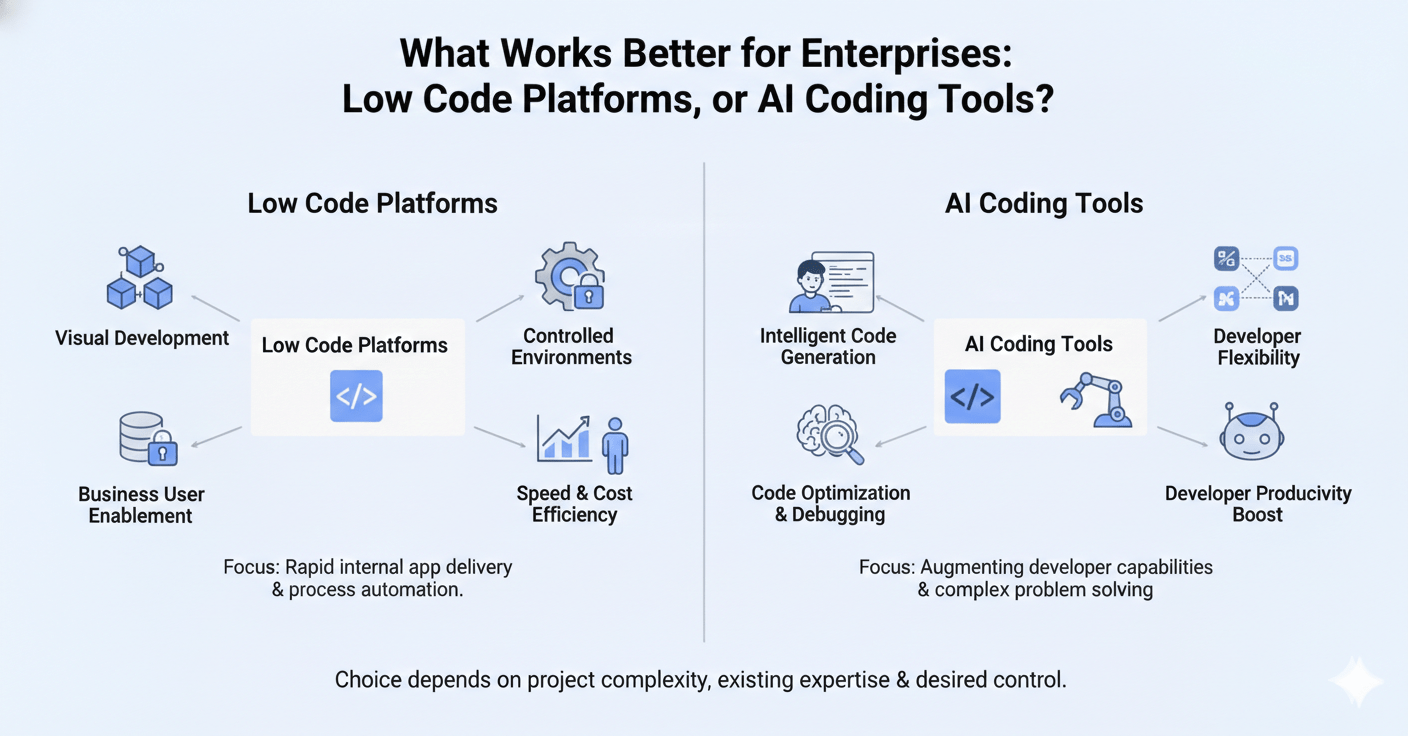
Low-Code is a new way of building software where you don’t need to be a tech wizard to create, customize, or modify your CRM software. A Low-Code CRM brings together visual interfaces, drag-and-drop tools, and pre-built templates for common sales scenarios. So anyone can easily build and modify their sales CRM workflows without writing a single line of code. In this way, Low-Code CRMs empower the people who use them every day – your sales team.
So, how does this solve the process adherence problem?
Firstly, a Low-Code CRM makes it easy for your sales team to use technology to their advantage. They no longer need to rely solely on memory. They don’t need to scramble through interlinked process playbooks. Instead, they know exactly what they need to do at every stage of the sales process. But Low-Code sales CRM software are not about following a predefined path. In fact, Low-Code lets your sales team build their own features and automation. So, everyone can think about what features they need in the CRM software so that their work becomes easier, better, and more enjoyable. And then, they can build the feature themselves. The core benefit here is that this lets sales experts focus on what they do best – building relationships, closing deals, and driving revenue.
A Low-Code CRM is designed to be flexible so that it can evolve as your business does. It becomes a living, breathing tool – a tool that reflects the real workflows of sales processes. Affordable Low-Code is a game-changer for sales managers. If you manage a sales team, you can design your CRM to nudge your team in the right direction – not through pressure or repetition, but by creating digital pathways that lead to success. These pathways include checkpoints, progress indicators, and built-in incentives, all of which make it easy for your team to reach their goals.
Over time, a Low-Code CRM reveals the clear link between process adherence and achievement. It captures and monitors all the lead measures that help managers predict and track success. This makes it easier than ever to identify what’s working and what’s not, so you can refine your processes and improve your results.
But you’d be wrong to believe that all Low-Code sales CRM software solutions are alike.
Also read: Why EdTech Companies Need a Low-Code CRM
What Makes Amoga’s Low-Code Sales CRM Stand Out?
Amoga’s low-code sales CRM system is based on four key principles.
- We believe in giving your sales team the tools they need to work smarter, faster, and with more enjoyment. With Amoga, they can build their own solutions to the challenges they face every day, without waiting for IT or relying on complex coding. Unlike rigid traditional CRM software, Amoga’s Low-Code approach allows sales teams to create and adapt their workflows.
- We free up your IT department to focus on big-picture projects that can truly transform your business. Amoga’s CRM software for sales enables teams to move beyond manual data entry and rigid structures. Amoga’s Low-Code platform means they can build powerful applications at a fraction of the cost and time of traditional development.
- We take security seriously. Every aspect of Amoga is designed with the most stringent protocols in mind. This is to ensure that your data is safe and your operations are protected. Our platform creates an ecosystem of apps that share a unified security blanket. That’s why we are a reliable choice not just for sales teams but also as a customer service CRM software.
- We don’t just add to your existing processes; we multiply your progress. Amoga comes with pre-built templates for common use cases. The best part is that anyone can create their own reusable templates. This means your team can quickly build and deploy solutions that drive real results. Whether you need a CRM software for sales or an adaptable customer service CRM software, Amoga provides a seamless and efficient experience.
If process adherence is a top priority for your management philosophy, then Amoga Sales CRM is a perfect fit. Schedule a meeting with us today and discover how Amoga can revolutionize your sales operations.
Frequently Asked Questions – Low-code CRMs
Can Low-Code CRM software be used for customer service management?
Yes, it can. In fact, many Low-Code CRMs, including , offer modules for managing support tickets, tracking interactions, and automating customer communication. This makes them a versatile solution for both sales and customer service teams.
Is Low-Code CRM software affordable for small businesses?
Absolutely. options exist within the Low-Code ecosystem. Amoga is one of the most affordable low-code platforms for sales CRM.
What are the benefits of using Low-Code CRM software for sales teams?
A built on a Low-Code platform helps sales teams by reducing manual data entry, automating follow-ups, and customizing workflows.